Roofing work in Aliso Viejo
Eight kinds of job, one form. The answers decide which contractors see your request — a flat-roof crew and a tile crew are not the same trade.
Get on the list
No company gets your details until you say yes to it by name.
You are on the list.
No provider in Aliso Viejo is taking requests through this service yet. We are lining them up, and yours is kept until one can.
- Nobody gets your details yet. Your request stays with us and is not passed to any company.
- One email when someone can help. When a provider covering your area can take it on, we email you once and ask whether you want that company, by name, to contact you.
- Deleted after 90 days. If nobody can take it on, or you do not say yes, your contact details are deleted 90 days after your request.
- You decide, or you do not. There is nothing to cancel and nothing to pay us.
Nobody will call you about this request unless you say yes to a company by name.
Why Aliso Viejo roofs fail the way they do
Aliso Viejo is home to about 50,457 people across roughly 17 square miles of Orange County. Plots run generous, so the square footage being quoted is often larger than homeowners expect. At roughly 4 miles from open water, salt is in the air on most days.
The failure that leads here is airborne salt working on the fixings rather than the covering. Salt carries further inland than people assume. It shows up first as rust tracks on the vents and staining below the valley metal.
Then, less dramatically: shaded slopes that never really dry out. Slopes that never get direct sun stay wet for hours after the fog burns off, and that is where moss, lifted shingles and soft decking start.
None of which is unusual for a roofer who works here every week. It is only unusual to a crew who does not.
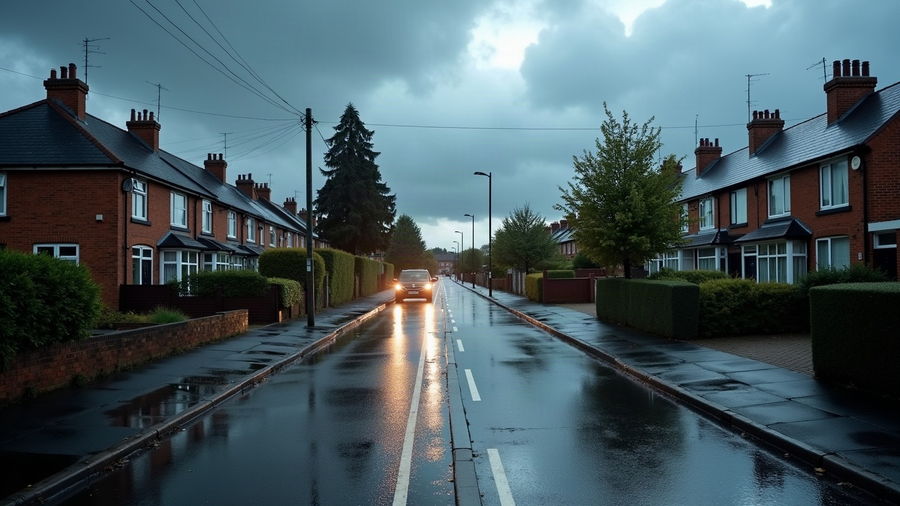
Illustrative photographs of roofing work in general. Not photographs of jobs arranged through this site.
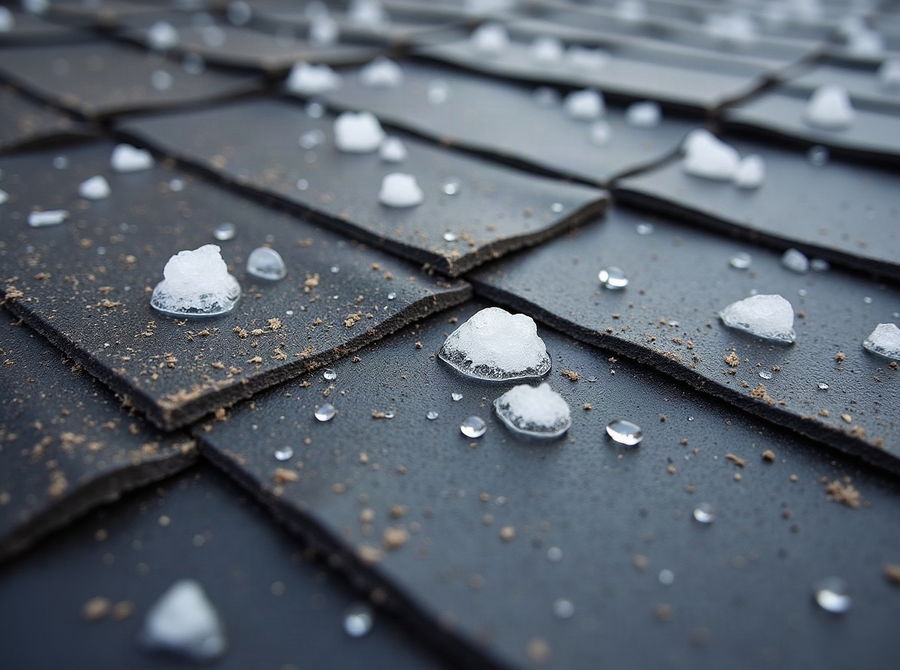
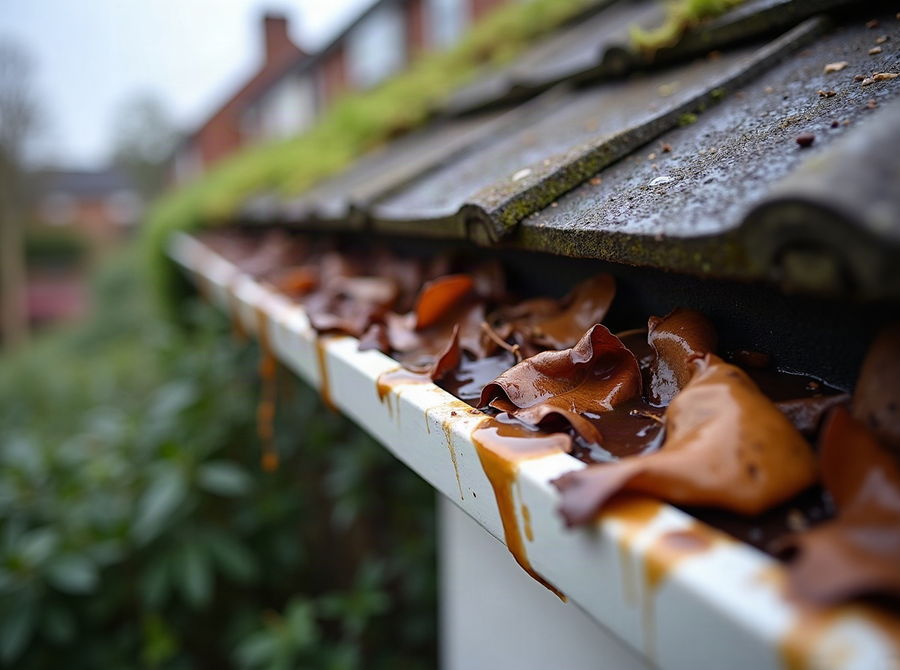
Illustrative photographs of roofing work in general. Not photographs of jobs arranged through this site.
Salt air and coastal corrosion
Salt carries further inland than people assume. It shows up first as rust tracks on the vents and staining below the valley metal.
Marine layer damp and slow drying
Slopes that never get direct sun stay wet for hours after the fog burns off, and that is where moss, lifted shingles and soft decking start.
Offshore wind events
They also drive ember risk, which is why vent screening and Class A assemblies matter more here than the colour of the covering.
Get the roof looked at
Free, no obligation, and your details go to no company until you say yes.